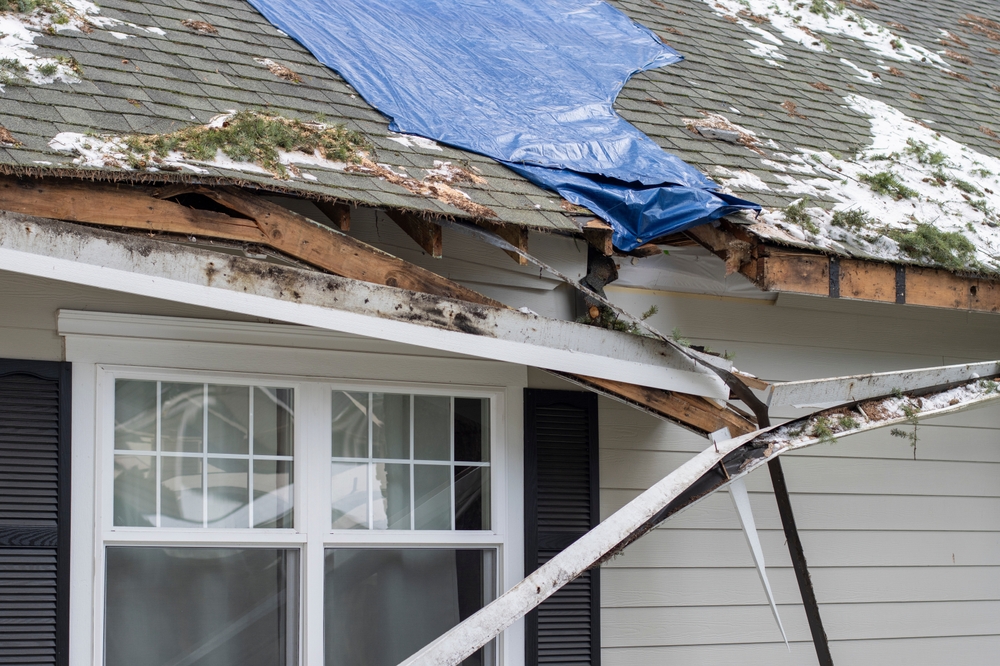
After a big storm rolls through your neighborhood, you might walk outside, look up at your roof, and think everything looks fine. But here’s the problem: some of the worst damage happens where you can’t see it from the ground. Hidden storm damage can lead to leaks, mold, and expensive repairs down the road if you don’t catch it early.
Most homeowners don’t realize their roof is damaged until water starts dripping into their living room. By then, the problem has gotten much worse and more costly to fix. Learning to spot the warning signs of hidden storm damage can save you thousands of dollars and protect your home from serious problems.
Why Storm Damage Often Goes Unnoticed
Storms don’t always create obvious holes or missing shingles. Wind, hail, and heavy rain can cause subtle damage that weakens your roof over time. Think of it like a slow leak in a tire. You might not notice it right away, but eventually, you’ll have a flat.
Your roof has multiple layers working together to keep water out. When a storm damages even one of these layers, it creates a weak point. Water finds its way into these weak spots, and the damage spreads behind the scenes. You might not see anything wrong for weeks or even months after the storm.
Insurance companies often have time limits for filing claims after storm events. If you wait too long to discover the damage, you might miss your window to get it covered. This is why it’s so important to inspect your roof soon after any major weather event.
Warning Signs Inside Your Home
Sometimes the first clues about roof damage show up inside your house rather than on top of it. Hidden roof damage can affect more than just your shingles, which is why homeowners planning home remodeling in Bucks County should address interior warning signs early to avoid bigger structural issues later on.
Keep an eye out for these red flags:
- Water stains on ceilings or walls: Yellowish or brown circles or streaks that signal moisture entering your home’s structure.
- Dripping sounds inside walls or the attic: Noise during or after rain that indicates water moving where it should not be.
- Musty odors in upper rooms or the attic: Smells caused by moisture trapped in insulation or wood that can lead to mold or mildew.
- Peeling or bubbling paint near the roofline: A result of moisture building up behind the walls.
- Visible daylight through roof boards in the attic: A clear sign of gaps or holes that allow water to enter.
Clues You Can Spot From the Ground
You don’t always need to climb onto your roof to find damage. Here are things you can check from your yard:
- Missing or damaged shingles: Look for bare spots, curled edges, or shingles that look cracked or broken. Even a few missing shingles can let water underneath.
- Granule loss: Shows up as bare patches on asphalt shingles. The granules protect the shingle material from UV rays. When they wash away, your shingles age much faster.
- Dented or damaged gutters and downspouts: Indicate hail impact. If your gutters took a beating, your roof probably did too. Look for dents, dings, or sections that are bent out of shape.
- Damaged roof vents, chimneys, or skylights: Create entry points for water. Storm winds can loosen flashing around these features. The flashing is the metal barrier that seals the joints between your roof and these structures.
- Sagging areas on your roofline: Suggest structural damage underneath. This is serious because it means the support system has been compromised.
What to Look For in Your Attic
Your attic can reveal problems that aren’t visible anywhere else. Grab a flashlight and check for these issues:
- Wet or dark spots on the underside of the roof deck show where water has penetrated. Fresh leaks appear wet, while older leaks leave dark stains on the wood.
- Damaged or compressed insulation loses its ability to regulate temperature. If your insulation looks matted down or wet, it’s been exposed to moisture from above.
- Daylight visible through cracks means there are gaps in your roof’s protective barrier. Even small cracks can let in rain and snow.
- Signs of water trails might appear as streaks running down rafters or across the attic floor. Water follows the path of least resistance, so it might travel quite far from the actual leak point before you see evidence of it.
The Hidden Dangers of Hail Damage
Hail can be particularly sneaky. Even if it doesn’t puncture your shingles, it can still do significant harm. Your shingles get bruised from hail strikes, which weakens them and reduces their lifespan.
These bruises may resemble irregular black circles or regions where the granules have been dislodged. This exposes and weakens the asphalt underneath. These weak spots eventually fracture, letting water pour through.
Metal components on your roof show hail damage more clearly. Check your roof vents, air conditioning units, satellite dishes, and flashing for dents. If these items are dented, your shingles likely took a hit too.
Wind Damage You Might Miss
Shingles can be lifted and bent by strong winds without being torn off entirely. This results in wrinkles and weak spots that ultimately break. Additionally, wind pushes rain at angles that regular rain wouldn’t reach up under roofs.
Look for shingles that don’t sit level against the roof or that seem raised. In strong gusts, the adhesive strips holding shingles in place may shatter. The shingle is susceptible to additional harm if that seal is broken.
Another kind of hidden harm is caused by wind-driven debris. Tree limbs, leaves, and other debris can rub against your roof, causing weak spots and the removal of protecting granules. The damage persists even after the debris has been removed.
Problems With Flashing
Flashing is the thin metal installed around chimneys, vents, skylights, and valleys in your roof. It’s critical for keeping water out, but it’s also vulnerable to storm damage.
Strong winds can bend or loosen flashing. Water then sneaks behind it and into your home’s structure. This type of leak is particularly troublesome because it often goes unnoticed until significant damage has occurred.
Inspect all flashing carefully after storms. Look for sections that appear bent, loose, or separated from the roof or structure they’re supposed to seal. Rust or corrosion on flashing also indicates it may be failing.
Ice Dam Damage From Winter Storms
If you live in a cold climate, winter storms can cause ice dam damage. Ice dams form when heat escapes through your roof, melting snow that then refreezes at the roof’s edge. This ice buildup forces water back up under your shingles.
Signs of ice dam damage include water stains along exterior walls, icicles forming along the gutters, and ice building up on the lower portion of your roof. Even after the ice melts, the damage to your shingles and underlying structure remains.
Tree Damage Beyond the Obvious
A tree branch doesn’t have to crash through your roof to cause damage. Even branches that just scrape across the surface during windy storms can wear away protective layers.
Overhanging branches also deposit leaves and debris on your roof. This debris traps moisture against your shingles, speeding up deterioration. After storms, check for increased amounts of organic material on your roof and in your gutters.
Damage to Roof Penetrations
Every spot where something penetrates your roof creates a potential leak point. This includes plumbing vents, exhaust fans, chimneys, and HVAC equipment. Storms can loosen the seals around these features.
Pay special attention to the boots (rubber seals) around plumbing vents. These can crack or come loose in severe weather. Chimney caps and crowns can also crack, letting water into the chimney structure and eventually into your home.
What to Do If You Suspect Damage
If you notice any of these warning signs, act quickly. Document everything with photos and notes about when you first noticed the problem. This documentation will be valuable if you need to file an insurance claim.
Contact a professional roofing contractor for a thorough inspection. Most reputable roofers offer free inspections after major storms. They have the training and equipment to safely examine your entire roof system.
Don’t wait for small problems to become big ones. A minor repair today costs much less than replacing water-damaged ceilings, walls, and insulation later. Early detection and prompt repair protect both your home and your wallet.
Call your insurance company if the damage appears to be storm-related. They’ll send an adjuster to assess the situation. Remember that insurance policies typically have deadlines for reporting damage, so don’t delay.
Prevention and Regular Maintenance
While you can’t prevent storms, you can make your roof more resilient. Schedule annual professional inspections, even if you haven’t had recent storms. Regular maintenance catches small problems before they become emergencies.
Keep trees trimmed back from your roof. Remove debris from gutters and roof valleys regularly. Good attic ventilation helps regulate temperature and moisture, protecting your roof from the inside out.
Consider upgrading to impact-resistant shingles when it’s time to replace your roof. These shingles hold up better to hail and wind damage. They might cost more upfront, but they can save you money on repairs and potentially lower your insurance premiums.
Why Early Storm Damage Detection Matters
Storm damage isn’t always obvious from the ground. Hidden problems can lurk in your attic, behind your walls, and in the layers of your roofing system. Water stains, missing granules, damaged flashing, and changes in your home’s interior are all warning signs worth investigating.
Regular inspections after storms give you the best chance of catching damage early. Professional roofers can spot problems that homeowners miss. Quick action protects your home from escalating damage and helps you meet insurance claim deadlines.
Your roof is your home’s first line of defense against the weather. Taking care of it protects everything and everyone underneath. When in doubt, get it checked out. The peace of mind is worth the effort. If you suspect storm damage or want peace of mind after severe weather, contact BAM Construction today for a professional roof inspection you can trust.